
Bat Emergence Surveys

Bat Emergence Surveys
After my last blog post on preliminary roost assessments (Bat Surveys - Cwmann Cottages), I promised you a further blog post on bat emergence surveys – so let's get stuck in!
What are bat emergence surveys
Bat emergence surveys are a follow up to a preliminary roost assessment (PRA). The PRA looks for roosting potential and any signs of bat activity. These assessments can be carried out at any time of the year. An emergence survey tries to identify whether bats are present within the building. If so, what species they are. They can only be carried out in the UK between May and August which is when bats leave their roost. The survey will take place at either dawn or dusk as this is when bats are most active in their surroundings.
These surveys are usually required when the PRA shows positive signs of bat activity or when the results are inconclusive. Even though our PRA was clear, we found out that the local Council ecologist was asking for the survey even when there was no activity. Therefore, we made a strategic decision to undertake the survey prior to planning being submitted so that there would be no delay in the application. If we had submitted the planning without the survey, then were told we needed one, we may have missed the boat on the survey being carried out prior to the end of August then would have had to wait until next year!
How are they carried out
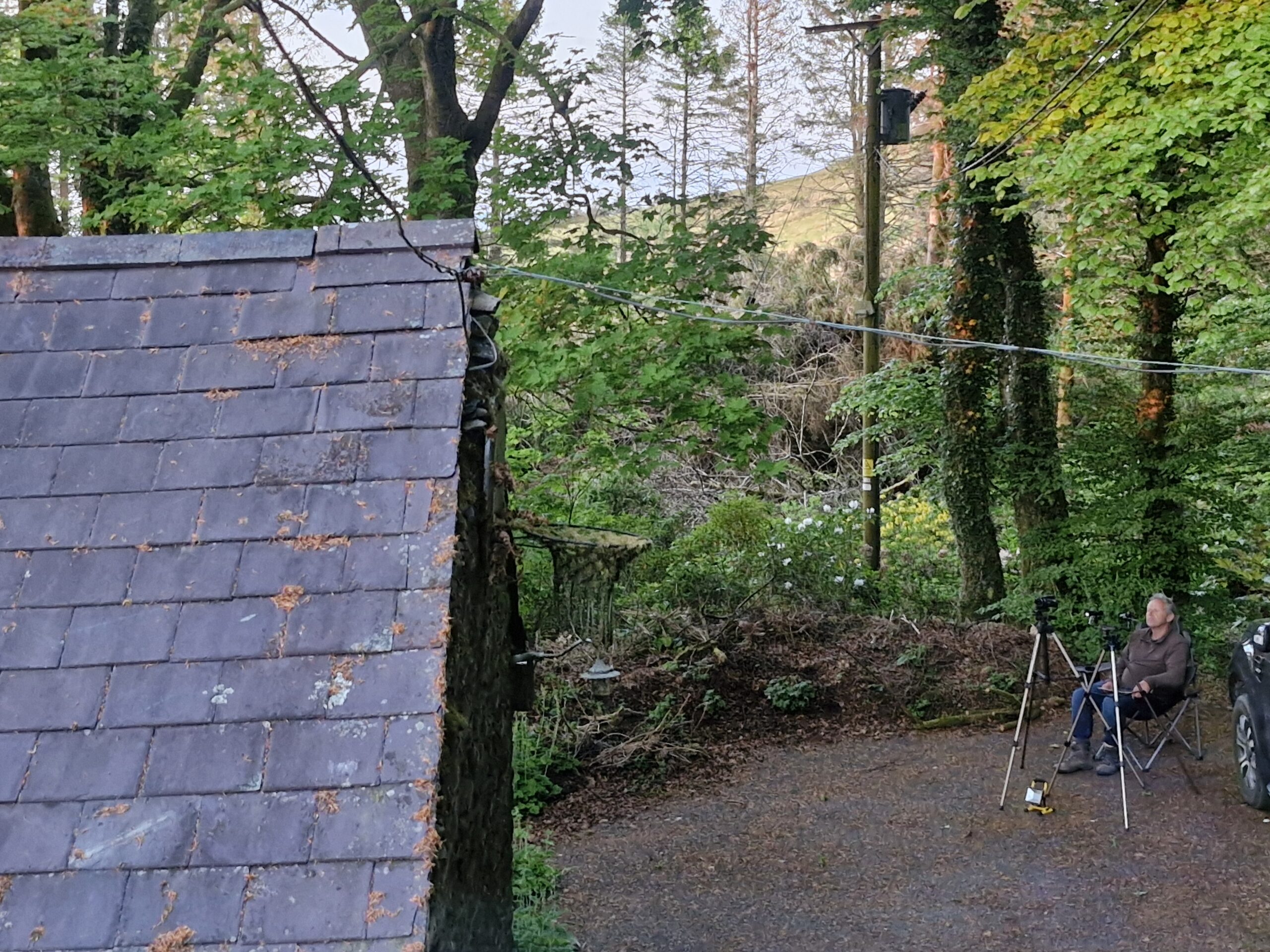
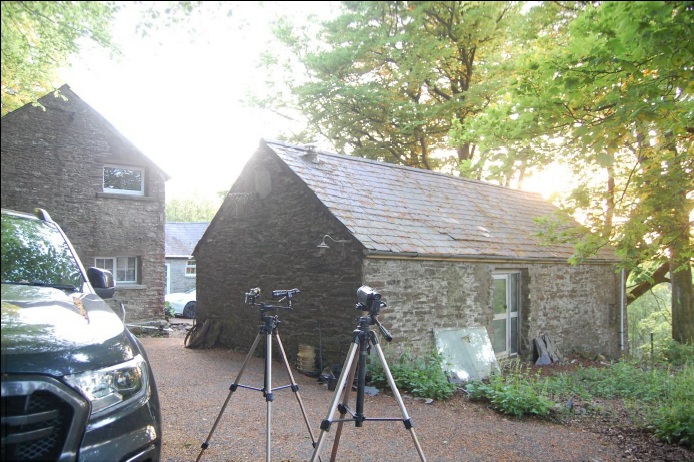
The exact details will be dependent upon the size of the building that is being surveyed. In our case, we had two surveyors attend shortly before dusk. The surveyors need to be able to see the entire outside of the building. The barn isn’t too big, so two people could comfortably watch two walls each.
The surveyors set themselves up with infrared cameras and listening equipment. This was set up to capture the entire barn so they could see if any bats emerged from the building during the survey. They were also listening for bat activity in the vicinity.
Our survey was carried out at dusk, so the survey started 15mins prior to dusk and ended two hours after. If you have a dawn survey, then you should expect the survey to start two hours prior to dawn and end 15mins after.
Weather conditions are important; the surveyors wanted no more than a mild breeze and preferably dry. This is when bats are most likely to emerge.
Number of surveys
Two emergence surveys may be needed if bat activity is found. The Council could also request that a second survey is undertaken. Both of these surveys have to take place between May and August, and be at least 2-3 weeks apart.
Our bat emergence survey
After the emergence survey was over, the surveyors were able to confirm that they saw no bats entering or leaving the barn. They could hear bats in the vicinity, but it seemed that they were passing by and not stopping for a visit! However, they did need to go back and watch the film to make sure they didn’t miss anything. They later provided a report confirming no bats!
Your surveyor should provide you with a detailed report evidencing what they found. The survey and the report cost us approximately £1,000. Remember, this will be more if more surveyors are needed or if two surveys need to be undertaken.
Recommendations
Based on my own experience, I can recommend the following:
- Only use a surveyor who is trained in undertaking emergence surveys. Look for recommendations and check that they follow best practice guidelines.
- Surveyors get very busy during May and August so if you think you might need a survey, book them early and even book a tentative date for a second survey just in case.
- Be strategic and save yourself some money – if you know you already have bats then don’t bother with the PRA, go straight for the emergence survey.
- Get intel on your Council. If they are asking everyone for emergence surveys regardless of whether bats are known to be present, skip the PRA and go straight for the survey.
- In a rush? Submit your emergence survey with your application or at least already have the survey booked in when you submit your application. The Council will request it, so it will only cause a delay if you are not prepared.
- Review the report and check you are happy with it before it is submitted to the Council.
Useful links
UK Government Guidance: https://www.gov.uk/guidance/bats-advice-for-making-planning-decisions
Bat Conservation Trust Good Practice Guidelines: https://www.bats.org.uk/resources/guidance-for-professionals/bat-surveys-for-professional-ecologists-good-practice-guidelines-4th-edition
CIEEM Bat Mitigation Guidelines: https://cieem.net/resource/uk-bat-mitigation-guidelines-2023/